What Happens When Skin Cancer Spreads — An Oncologist’s Perspective
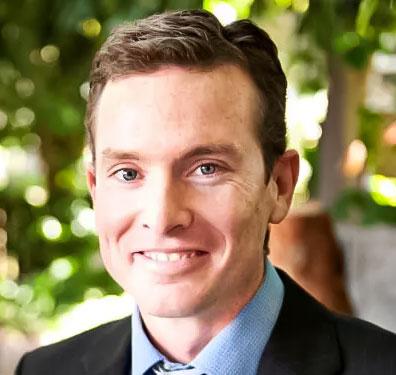
By Dr Adam Stirling, Consultant Medical Oncologist
As a medical oncologist, I often meet patients who wish they’d had their skin checked sooner. Many skin cancers begin with what seems like a harmless mole or sunspot – something the patient had planned to ‘get looked at eventually’. But once skin cancer spreads beyond the skin, everything changes.
Australia has one of the highest rates of skin cancer in the world. While most cases are easily treated when found early, a percentage can progress to advanced disease that affects internal organs. These are the patients I see every day, and they’re a powerful reminder that early detection saves lives.
Understanding Metastatic Skin Cancer
Metastatic (or stage 4) skin cancer occurs when cancer cells break away from their original site and travel through the lymphatic system or bloodstream.
Common sites of spread include the lymph nodes, lungs, liver, brain, and other organs. Once this happens, surgery alone is not enough. The disease has become systemic, meaning treatment must target the entire body.
Although only a small number of people with melanoma or other skin cancers reach this stage, those who do often recall an early change they dismissed or delayed getting checked. Preventing that delay is where we can make the greatest difference.
Treatment Once Skin Cancer Spreads
When cancer becomes systemic, management involves a multidisciplinary team of oncologists, surgeons, dermatologists, radiation oncologists, and radiologists. Treatment may include:
- Immunotherapy – drugs that help the immune system to recognise and attack cancer cells, a breakthrough that has extended survival for many with advanced melanoma.
- Targeted therapy – medicines that switch off growth signals in melanomas with specific mutations, such as BRAF.
- Radiotherapy – to control local disease or relieve symptoms, particularly if cancer has spread to the brain or bones.
- Chemotherapy – used less often now but remains valuable for certain resistant or rare cancers.
- Supportive care – managing fatigue, pain, and the emotional impact of ongoing treatment.
These treatments can achieve excellent control and long-term remission in some cases – perhaps even cure – but they require months, and often years, of therapy. Immune-mediated side effects are not uncommon, and sometimes those side-effects can themselves be life-threatening. That’s why prevention and early detection remain critical.
Early Detection Changes Everything
When melanoma is caught early – before it spreads – the five-year survival rate is around 99 percent. Once it reaches distant organs, that figure plummets to about 26 percent.
That difference represents real lives: those people who undergo a simple excision and move on, versus those who need ongoing treatment and monitoring. A 15-minute skin check can be the difference between a short procedure and years of complex therapy.
‘The ideal cancer,’ I often tell my patients, ‘is the one I don’t have to treat.’
When to Book a Skin Check
Now.
Or, failing that, if you notice:
- A mole or spot that’s changing in size, shape, or colour
- A lesion that bleeds, crusts, or doesn’t heal
- A mole that looks or feels different from your others (the “ugly-duckling rule”)
- New spots appearing after the age of 30
- Any area that’s itchy, painful, or simply doesn’t feel right
Even if nothing looks suspicious, most Australians benefit from a yearly full-body skin check — or every six months for those with fair skin, freckles, or a family history of melanoma.
A Final Word
Skin cancer can almost always be treated successfully when detected early. If you’ve been meaning to book a check, do it today. It’s quick, simple, and could save your life.
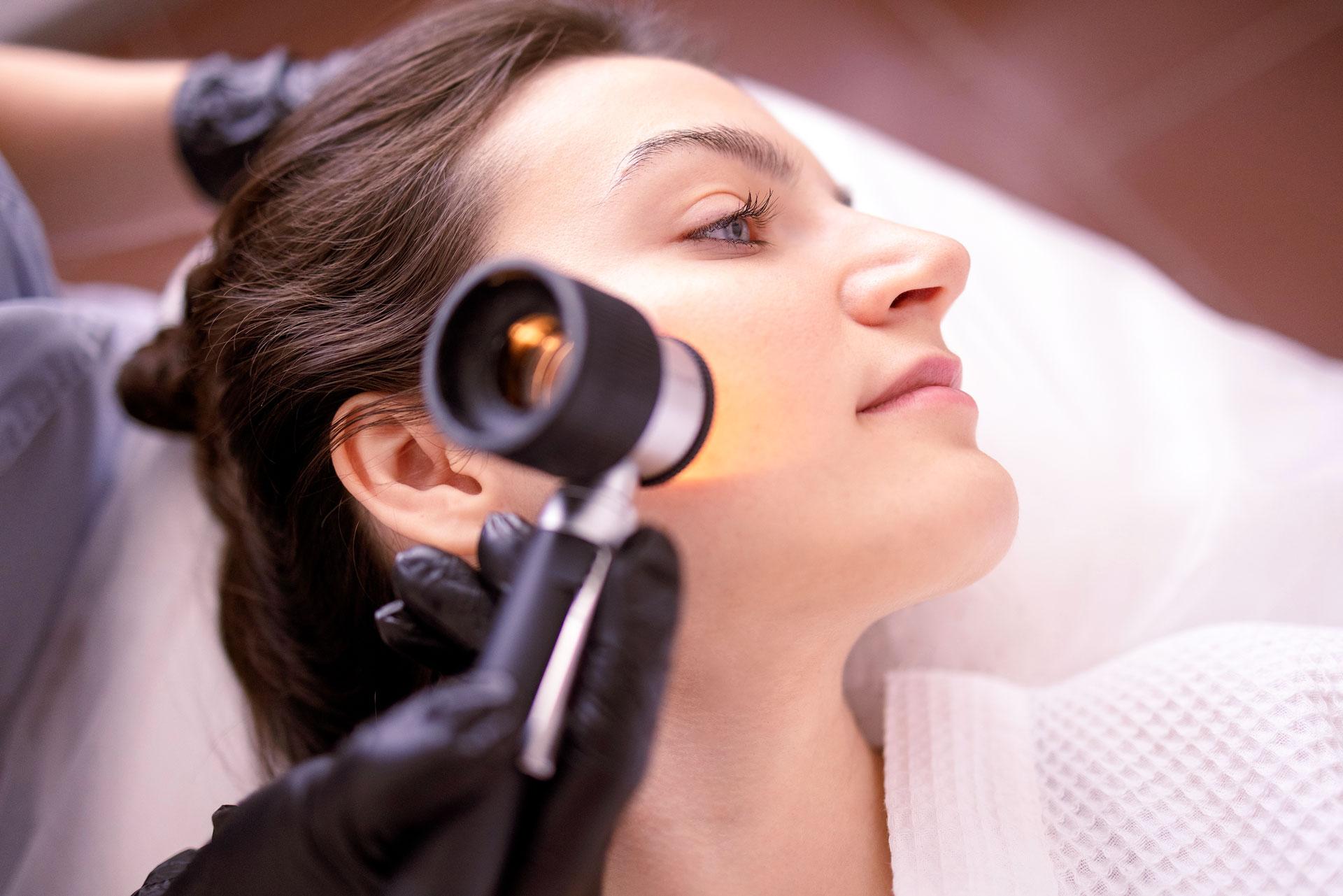
At The Skin Lab Brisbane, our dermatologist-led team performs comprehensive skin assessments with advanced imaging for early detection and ongoing peace of mind.
Your skin health is a partnership and we’re here to support you at every stage.